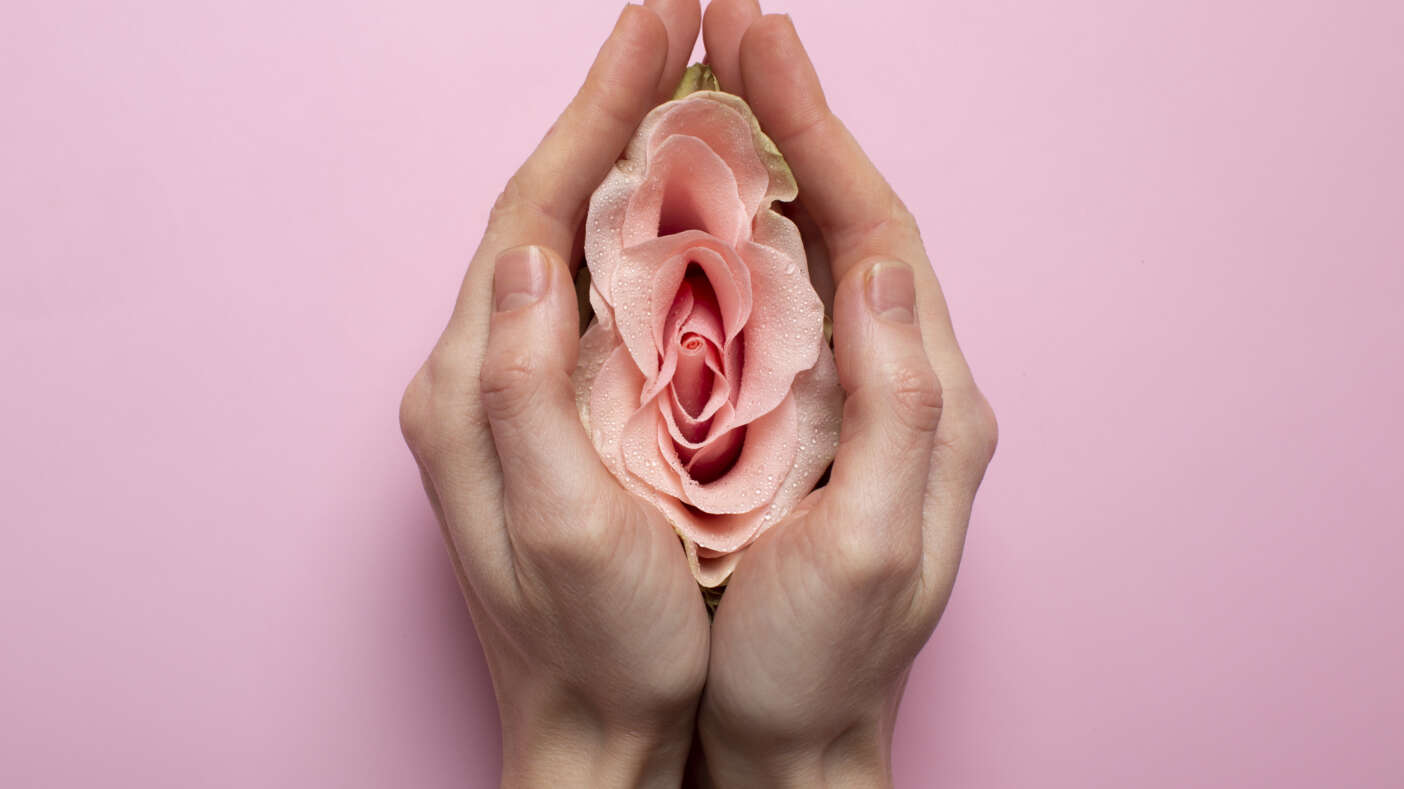
Perimenopause and menopause represent significant transitions in a woman’s life, marking the end of her reproductive years and the beginning of a new chapter. Yet, for many, these changes come with a mix of physical and emotional symptoms that can feel overwhelming. While every woman’s journey is unique, the experience of menopause can often be difficult, triggering a range of emotions from frustration and confusion to relief.

In this post, we’ll explore the symptoms of perimenopause and menopause, provide practical self-help strategies, and offer insight into how women can embrace this stage of life with confidence and resilience.

Understanding Perimenopause and Menopause

Perimenopause typically begins in a woman’s 40s, though it can start earlier, and it lasts until menopause, the point when a woman has gone 12 consecutive months without a menstrual period. This transition can last anywhere from a few months to several years. During perimenopause, the ovaries gradually produce less estrogen, leading to a range of symptoms.

Menopause occurs when the ovaries stop releasing eggs, and menstruation ceases entirely. This is a natural biological process, and it can occur between the ages of 45 and 55, with the average age being around 51.

Physical Symptoms

While some women breeze through perimenopause and menopause with few noticeable changes, others experience a wide range of physical symptoms.

Here are some of the most common:

Hot Flashes and Night Sweats: Sudden feelings of heat, often accompanied by sweating and flushing, are hallmark symptoms. These episodes can occur during the day (hot flashes) or at night (night sweats).

Irregular Periods: During perimenopause, cycles can become unpredictable, with periods occurring closer together or further apart and changes in flow intensity.

Sleep Disturbances: Night sweats, anxiety, and hormonal shifts can disrupt sleep, leaving many women feeling exhausted.

Weight Gain: Hormonal changes can lead to an increase in abdominal fat and make weight management more challenging.

Vaginal Dryness and Discomfort: Lower estrogen levels can result in thinning and drying of the vaginal walls, leading to discomfort during intercourse.
Changes in Skin and Hair: Some women notice thinning hair, dry skin, or a loss of skin elasticity.

Emotional Symptoms

Perimenopause and menopause are not just physical experiences; they can also affect a woman’s mental and emotional well-being:

Mood Swings: Fluctuating hormone levels can lead to irritability, sadness, or anxiety, much like PMS but potentially more intense.

Depression and Anxiety: Some women experience an increase in feelings of depression or anxiety during this transition. For those with a history of mood disorders, menopause may exacerbate these conditions.

Brain Fog and Memory Issues: Many women report difficulties with focus, concentration, or short-term memory during perimenopause.

Loss of Libido: Changes in sexual desire are common due to hormonal shifts, emotional strain, or physical discomfort.

Coping Strategies and Self-Help Tips

While the symptoms of perimenopause and menopause can be challenging, there are several strategies women can use to manage their symptoms and regain control over their well-being.

Embrace Lifestyle Changes

Exercise Regularly: Staying active can help manage weight, improve mood, and promote better sleep. Activities like walking, yoga, swimming, and strength training can help alleviate both physical and emotional symptoms.

Eat a Balanced Diet: A diet rich in whole foods, including fruits, vegetables, lean protein, and healthy fats, can support hormonal balance. Omega-3 fatty acids, found in fish, flaxseeds, and walnuts, have been shown to reduce hot flashes and improve mood.

Stay Hydrated: Drinking plenty of water can help reduce bloating and dryness.
Limit Caffeine and Alcohol: Both caffeine and alcohol can exacerbate symptoms like hot flashes and night sweats. Reducing intake or switching to herbal teas may help.
Prioritise Sleep Hygiene

With sleep disturbances being so common during this time, focusing on good sleep habits is crucial:

Keep a consistent sleep schedule, even on weekends.

Create a relaxing bedtime routine (e.g., reading, meditating, taking a warm bath).
Keep your bedroom cool and dark to reduce night sweats.

Consider natural sleep aids, such as magnesium or melatonin, after consulting with a healthcare provider.

Explore Stress-Reduction Techniques

Mindfulness and Meditation: Studies show that mindfulness practices like meditation and deep breathing can reduce stress, anxiety, and even the frequency of hot flashes.

Cognitive Behavioral Therapy (CBT): Research has shown that CBT can help alleviate menopausal symptoms, particularly mood swings, anxiety, and sleep disturbances.
Journaling and Emotional Expression: Writing down your thoughts and feelings can help you process emotions during this transitional time, offering clarity and relief.

Consider Hormone Replacement Therapy (HRT)

For some women, Hormone Replacement Therapy (HRT) can be an effective treatment for severe symptoms of menopause. HRT involves taking estrogen (and sometimes progesterone) to relieve symptoms like hot flashes, vaginal dryness, and mood swings. However, it’s important to discuss the risks and benefits with a healthcare provider, as HRT isn’t suitable for everyone.

Natural and Alternative Therapies

For women who prefer a more holistic approach, there are several natural remedies that may help alleviate symptoms:

Phytoestrogens: Found in foods like soy, flaxseed, and certain legumes, phytoestrogens mimic estrogen in the body and may help reduce symptoms like hot flashes.

Herbal Supplements: Black cohosh, evening primrose oil, and red clover are popular remedies for managing menopausal symptoms, though their effectiveness varies, and they should be used under the guidance of a healthcare provider.

Acupuncture: Some studies suggest that acupuncture may help reduce the frequency of hot flashes and improve sleep.

Emotional and Social Support

Menopause can be an isolating experience, but it doesn’t have to be. Seeking support from others who understand your journey is incredibly empowering.

Join a Support Group: Many women find comfort in sharing their experiences with others going through the same transition. Whether in-person or online, support groups provide a safe space to vent, ask questions, and exchange tips.

Talk to a Therapist: For women who are struggling with the emotional aspects of menopause, speaking with a therapist can be incredibly beneficial. Therapists trained in cognitive behavioural therapy or mindfulness-based stress reduction can provide tools to cope with emotional challenges.

Embracing this New Chapter

Menopause is not the end; it’s a transition to a new stage of life. Many women describe feeling liberated once they are no longer dealing with the fluctuations of their menstrual cycles, and they often find that their 50s and beyond are a time of renewed focus, freedom, and joy.

Rather than viewing menopause as a negative experience, it can be reframed as an opportunity for self-care, self-discovery, and empowerment. This is the time to prioritise your health, nourish your body, and embrace the wisdom that comes with age.

Final Thoughts

While the symptoms of perimenopause and menopause can be difficult to manage, it’s important to remember that you don’t have to navigate this transition alone. Reach out for help, whether that means consulting your healthcare provider, joining a support group, or talking to a trusted friend. With the right self-care strategies, this chapter of life can be an empowering journey towards greater strength, wisdom, and resilience.

By understanding your body and its changing needs, you can move through perimenopause and menopause with confidence, embracing the new possibilities that lie ahead.

To learn more about how we can help you, please visit The National College of Hypnotherapy and Coaching on our website www.nc-hc.co.uk