
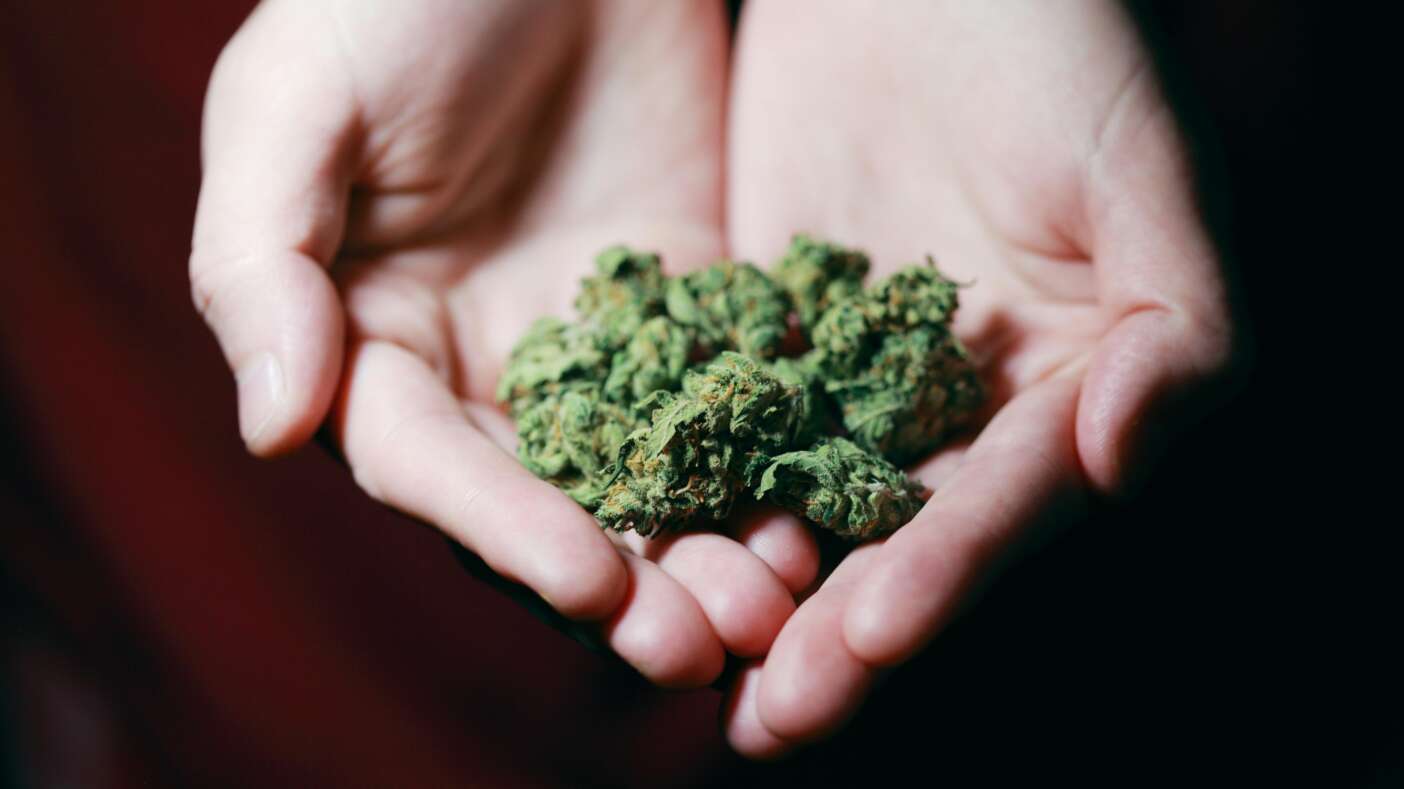
Addiction is a powerful force that can take hold of anyone, regardless of age, background, or circumstances. Whether it’s substance abuse, gambling, smoking, or even behavioural addictions like excessive gaming or social media use, the grip of addiction can feel overwhelming. However, with the right mindset, support, and strategies, it is possible to break free from addiction and regain control of your life. Here’s a guide to help you on your journey to overcoming addiction.
Understanding Addiction: The First Step
Before you can effectively combat addiction, it’s important to understand what it is and how it works. Addiction is not just a bad habit; it’s a chronic condition that affects the brain’s reward system, leading to compulsive behaviours despite harmful consequences. Over time, addiction can take a toll on your physical health, mental well-being, relationships, and overall quality of life.
Recognising that addiction is a complex issue that requires more than just willpower to overcome is the first step in your recovery journey. It’s essential to approach the process with compassion for yourself and an understanding that recovery is a gradual, ongoing process.
Acknowledge the Problem
The first and perhaps most difficult step in overcoming addiction is acknowledging that you have a problem. Denial is a common defence mechanism that can keep you trapped in the cycle of addiction. However, admitting that you’re struggling and that you need help is a powerful act of courage and a vital step toward recovery.
Ask yourself these questions:
- Is this behaviour affecting my health or well-being?
- Am I prioritising this addiction over my relationships, work, or responsibilities?
- Have I tried to quit before and failed?
If the answer to any of these questions is yes, it may be time to seek help.
Seek Professional Help
Addiction is a medical condition, and like any other medical condition, it often requires professional treatment. Hypnotherapists, therapists, counsellors, and addiction specialists are trained to help you understand the root causes of your addiction and develop strategies to overcome it.
There are several treatment options available, depending on the type and severity of your addiction:
- Counselling and Therapy: Cognitive-behavioral therapy (CBT) is particularly effective for many types of addiction. Therapy can help you identify triggers, develop coping strategies, and build a healthier mindset.
- Support Groups: Groups like Alcoholics Anonymous (AA), Narcotics Anonymous (NA), or other 12-step programs provide a community of individuals who understand what you’re going through and can offer support and encouragement.
- Medication: In some cases, medications may be prescribed to help manage withdrawal symptoms, reduce cravings, or treat underlying mental health conditions that contribute to addiction.
Build a Support Network
Overcoming addiction is not something you have to do alone. Surrounding yourself with a supportive network of friends, family, and professionals can make a significant difference in your recovery journey. These individuals can offer encouragement, hold you accountable, and provide a safe space for you to share your struggles.
Don’t hesitate to lean on your support network, especially during challenging times. Recovery is full of ups and downs, and having people who care about you can help you stay on track.
Develop Healthy Habits
One of the keys to overcoming addiction is replacing unhealthy behaviours with positive, healthy habits. Engaging in activities that promote well-being can help you manage stress, reduce cravings, and improve your overall quality of life.
Consider incorporating the following into your daily routine:
- Exercise: Physical activity releases endorphins, which are natural mood boosters. Regular exercise can also help reduce stress and anxiety, making it easier to resist cravings.
- Mindfulness and Meditation: Practices like mindfulness and meditation can help you stay grounded, manage stress, and develop greater self-awareness.
- Healthy Eating: A balanced diet provides your body’s nutrients to heal and recover. Eating well can also improve your mood and energy levels.
- Hobbies and Interests: Engaging in hobbies or learning new skills can provide a sense of purpose and fulfilment, helping to fill the void left by addiction.
Set Realistic Goals
Recovery is a journey, and it is important to set realistic, achievable goals along the way. Rather than focusing on the end result, break your recovery into smaller, manageable steps. Celebrate each milestone, no matter how small, as a victory in your journey to overcoming addiction.
For example:
- Short-term goals: Stay sober for 24 hours, attend a support group meeting, or avoid triggers for a day.
- Long-term goals: Reach 30 days of sobriety, repair damaged relationships, or achieve a specific health goal.
Setting goals gives you something to strive for and helps you stay motivated throughout the recovery process.
Prepare for Challenges
Relapse is a common part of the recovery process, but it doesn’t mean failure. Instead of viewing relapse as a setback, see it as an opportunity to learn and grow. Identify what triggered the relapse and work with your support network or therapist to develop strategies to avoid similar situations in the future.
Having a plan in place for dealing with cravings, stress, or other triggers can help you stay on track. This might include reaching out to a friend, practising mindfulness techniques, or engaging in a healthy distraction like exercise or a hobby.
Embrace the Journey
Overcoming addiction is a lifelong journey, not a one-time event. It requires ongoing effort, self-reflection, and a commitment to maintaining a healthy, balanced lifestyle. As you progress on your journey, you’ll likely experience a range of emotions—from pride and joy to frustration and doubt. Embrace these feelings and remember that every step you take brings you closer to a healthier, addiction-free life.
Conclusion
Breaking free from addiction is one of the most challenging but rewarding journeys you can undertake. By acknowledging the problem, seeking professional help, building a support network, developing healthy habits, setting realistic goals, and preparing for challenges, you can overcome addiction and reclaim control of your life. Remember, recovery is a marathon, not a sprint—be patient with yourself and celebrate the progress you make along the way. Your future is bright, and with determination and support, you can break the chains of addiction and live a fulfilling, healthy life.
